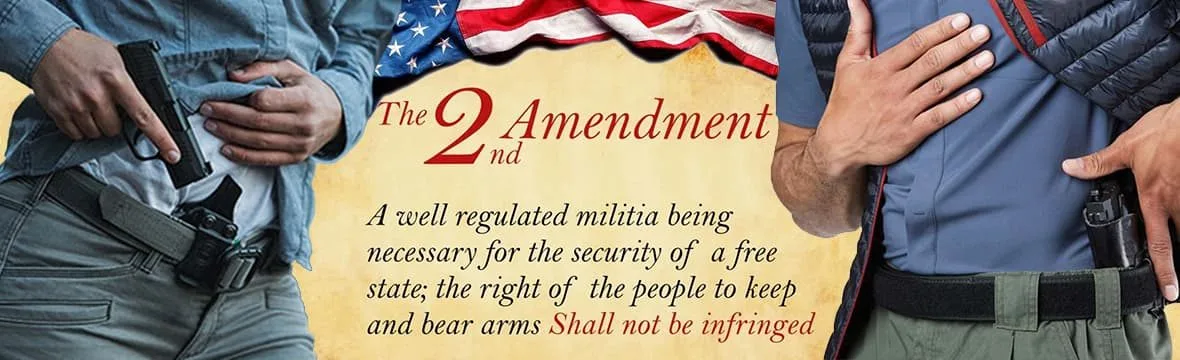


Can You Carry a Loaded Gun in Your Car in Colorado?
In Colorado, carrying a firearm in your vehicle is generally legal — but there are important restrictions every responsible gun owner should understand. Two key statutes govern this topic: CRS 18-12-105 and CRS § 33-6-125. Whether you’re carrying a concealed handgun or transporting a long gun, knowing these laws is critical to staying compliant.
🚗 CRS 18-12-105 – Carrying a Handgun in a Vehicle
CRS 18-12-105 makes it a Class 1 misdemeanor to unlawfully carry a concealed weapon. However, the law makes an exception for:
- Your own dwelling, place of business, or property you control
- Your private vehicle, as long as you’re carrying for lawful protection while traveling
- Individuals with a valid concealed handgun permit (CHP)
✅ You can legally carry a loaded handgun in your vehicle in Colorado, even without a permit, if it’s for self-defense and you’re legally allowed to possess the firearm.
👉 Want to carry confidently and legally? Sign Up for a Colorado Concealed Carry Class
🛻 CRS § 33-6-125 – Rules for Rifles and Shotguns
This statute applies specifically to long guns (rifles and shotguns). Under CRS § 33-6-125:
- Chamber must be empty while in a vehicle — even if a magazine is inserted
- Applies to everyone except those authorized by law
- Peace officers may inspect the chamber to ensure compliance
✅ You may transport long guns in your vehicle, but the chamber must be unloaded.
👉 Not sure how this applies to your setup? Read our full guide to Colorado Self-Defense and Firearms Laws
⛔ Where You Cannot Carry a Firearm in Your Vehicle
Even though Colorado law allows carrying in a vehicle, some areas override this right. Many locations prohibit firearms entirely — even in your car — or impose special conditions.
Here’s a quick reference of restricted areas:
| 🗺 Location / Institution | 🔒 Restriction Type |
|---|---|
| Denver City Buildings | No carry at all (CHP doesn’t apply) |
| Boulder Parks & Rec | No firearms allowed |
| Boulder (Citywide) | Open carry prohibited |
| CU Boulder / CSU / UNC (Inside Buildings) | Concealed carry prohibited indoors |
| CU/CSU/UNC (Campus Grounds) | Outdoor carry may be allowed |
| DIA Airport | Total firearm ban |
| Military Bases | Prohibited without written authorization |
| Correctional Facilities | Prohibited |
| Legislative Buildings/Meetings | Prohibited |
| Federal Buildings & Courthouses | Prohibited |
| County/Local Courthouses | Prohibited |
| Native American Reservations | Restricted (tribal law varies) |
| College/University Buildings | Prohibited inside |
| Public & Private K–12 Schools | Permitted only if left secured in the vehicle (with CHP) |
| Private Property (with signs) | Firearms prohibited if posted “No Firearms” |
🚨 Reminder: Local and federal laws may override state laws — always check ahead when driving into a restricted area.
👉 Want to avoid costly legal mistakes? Explore Colorado’s Gun Laws and Self-Defense Statutes
⚖️ Practical Takeaways
- Handguns can be carried loaded in your private vehicle under state law
- Long guns (rifles and shotguns) must have an unloaded chamber
- Some cities and institutions prohibit firearms entirely, even in vehicles
- Always store firearms responsibly and comply with posted signage and law enforcement
🛡 Bonus Tip: Protect Yourself Beyond the Law
Even a lawful self-defense scenario can lead to legal battles, civil lawsuits, or wrongful arrest. Self-defense insurance provides legal and financial protection if you’re ever forced to use your firearm.
👉 Stay covered before it counts. Compare Self-Defense Insurance Plans Here
📣 Ready to Get Educated and Equipped?
🧠 Take a Concealed Carry Class
Hands-on training, live-fire qualification, and legal education included.
👉 Sign Up for a Colorado CCW Class Today
⚖️ Know the Law Before You Carry
Don’t rely on hearsay. Understand what Colorado law really says.
👉 Visit Our Self-Defense Law Guide
🛡 Protect Yourself with Legal Coverage
We compare the top self-defense insurance plans so you don’t have to.
👉 Compare Coverage Options Now
This article is intended for informational purposes only and does not constitute legal advice. For specific legal concerns, please consult a licensed attorney.
