
The Consequences of Negligent Firearm Discharge(s): Understanding Legal Implications and Promoting Safety
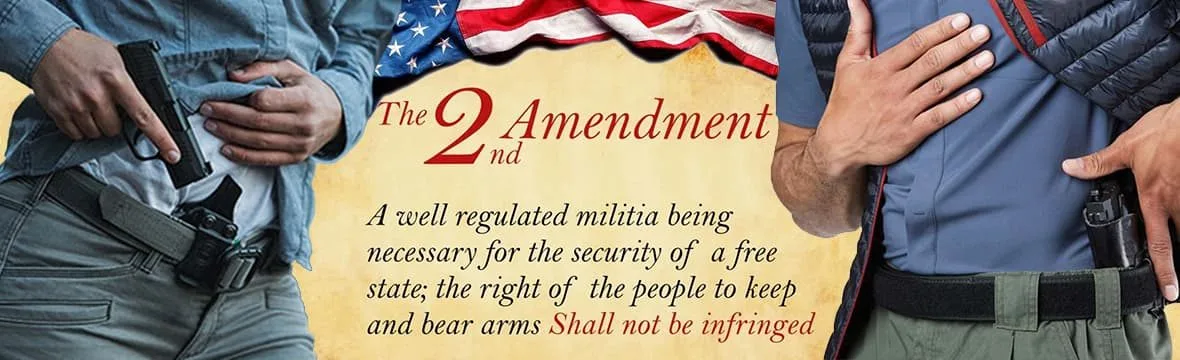
In today’s society, where firearm ownership is a right protected under the Constitution, the emphasis on responsible gun ownership cannot be overstated. The concept of negligent discharge — the unintentional firing of a gun due to careless handling — serves as a stark reminder of the weighty responsibilities that accompany the right to bear arms. This article delves into the legal ramifications of negligent discharge within public spaces and private homes, underscoring the critical need for adherence to firearm safety protocols. By examining specific statutes within the Colorado Revised Statutes (CRS) and presenting hypothetical scenarios, we aim to highlight the importance of conscientious firearm handling to avoid severe legal and moral consequences.
Understanding the Legal Framework
Negligent discharge of a firearm is addressed under various statutes within the CRS, reflecting the severity with which the law views such incidents. Notably, CRS 18-12-107.5 outlines the penalties for the illegal discharge of a firearm, categorizing the action as a class 5 felony when a firearm is knowingly or recklessly discharged into any dwelling, building, occupied structure, or occupied motor vehicle. This statute underscores the law’s strict stance against recklessly endangering human lives and property.
Similarly, CRS 18-12-106 emphasizes the prohibition of weapon misuse, including the reckless discharge of firearms, as a class 1 misdemeanor. This statute expands the legal boundaries to include not only firearms but also other weapons, demonstrating the comprehensive approach to ensuring public safety.
Furthermore, CRS 18-9-106 on disorderly conduct and CRS 18-3-208 on reckless endangerment provide additional layers of legal protection against the irresponsible use of firearms. These statutes, by defining specific misdemeanors for endangering public peace and safety, create a legal environment that demands meticulous adherence to safety protocols by all firearm owners.
When a negligent discharge of a firearm results in the death or serious bodily injury of another person, the legal consequences escalate significantly. According to Colorado Revised Statutes (CRS) 18-3-202, assault in the first degree occurs when a person, under circumstances showing extreme indifference to human life, knowingly engages in conduct that creates a grave risk of death to another person, thereby causing serious bodily injury. This statute reflects the gravity of actions that, while not premeditated to cause harm, result in severe consequences due to reckless behavior.
Furthermore, CRS 18-3-104 addresses the crime of manslaughter, defining it as occurring when a person recklessly causes the death of another. This classification as a class 4 felony highlights the seriousness of actions that lead to another’s death through recklessness, a category into which negligent discharge can fall. In scenarios where a firearm is handled carelessly, resulting in fatal outcomes, the law interprets these actions through the lens of manslaughter due to the reckless disregard for the safety and life of others.
The Four Pillars of Firearm Safety
At the heart of preventing negligent discharge are the four cardinal rules of firearm safety:
- Treat all firearms as if they are loaded: This principle serves as the foundation of safe firearm handling, ensuring that individuals always approach firearms with the caution they demand.
- Never point the firearm at anything you are not prepared to destroy: This rule emphasizes the importance of intentional aim, reinforcing the idea that firearms should only be directed towards targets in a controlled environment.
- Keep your finger off the trigger until ready to shoot: This practice prevents accidental discharges, ensuring that a firearm is only fired when the shooter has made a conscious decision to do so.
- Be sure of your target and what is beyond it: This underscores the responsibility of the shooter to be aware of the bullet’s trajectory and potential impact, minimizing the risk of unintended harm.
Adhering to these principles can significantly reduce the risk of negligent discharges, thereby safeguarding both the individual and the public.
Guns Don’t Discharge By Themselves
Modern firearms are engineered with numerous safety features to prevent accidental discharge, affirming the principle that guns do not go off by themselves. A firearm’s discharge almost invariably requires human interaction, such as pulling the trigger, often due to negligence or ignorance of safety protocols. The internal safeties, such as those found in models like the Glock — including trigger safety, firing pin safety, and drop safety — are designed to ensure that the firearm only fires when the trigger is deliberately engaged. This technological reality underscores the importance of responsible gun handling and adherence to the fundamental rules of firearm safety. It dispels myths about spontaneous firearm discharge and places the responsibility squarely on the user to handle, store, and maintain their firearm properly to prevent unintended shootings.
Hypothetical Scenarios of Negligence
To illustrate the legal implications of negligent discharge, consider the following scenarios:
Home Incident: A gun owner decides to clean their firearm in the living room without checking if it is unloaded. The firearm discharges, with the bullet penetrating a wall and entering a neighboring apartment. This act could be prosecuted under CRS 18-12-107.5, given the reckless endangerment to human life and property, potentially resulting in felony charges.
Public Discharge: While adjusting a concealed holster in a supermarket, a firearm owner accidentally discharges their weapon. The bullet misses bystanders by mere inches, causing panic and chaos. This incident could lead to charges under CRS 18-12-106 for reckless discharge and CRS 18-9-106 for causing disorder in a public place, highlighting the severe consequences of careless handling in public settings.
Showing Off in a Parking Lot: A firearm owner, seeking to demonstrate their firearm’s features to a friend, negligently discharges the gun in a crowded parking lot. Though no one is injured, the act is deemed reckless and could result in charges under CRS 18-12-106 and CRS 18-3-208, emphasizing the importance of responsible firearm display and handling.
Negligent Discharge During a Family Gathering: In a bid to demonstrate firearm safety to relatives during a family gathering at home, a firearm owner neglects to properly clear their firearm before handling it. Believing the firearm to be unloaded, they proceed to show how to safely handle and store the gun. Unfortunately, the firearm discharges, the bullet ricochets off a hard surface, and narrowly misses a family member, embedding itself into the living room wall. This incident, occurring in a private residence with multiple witnesses, including children, causes immediate panic and distress among the family members. This scenario could result in legal consequences under several statutes. Firstly, the negligent discharge within the home could be prosecuted under CRS 18-12-107.5 for the reckless endangerment of lives and property within a dwelling, potentially qualifying as a class 5 felony due to the risk it posed to the occupants. Secondly, given the presence of minors and the demonstration of poor firearm handling, additional charges could be considered under child endangerment statutes, reflecting the heightened responsibility of adults to ensure the safety of children. Moreover, this situation might also be scrutinized under CRS 18-3-208 for reckless endangerment, given the substantial risk of serious bodily injury that the negligent discharge created.
Hypothetical Situation Leading to Manslaughter
During a family reunion at a rural cabin, Alex decides to showcase a newly purchased hunting rifle to cousins. Despite believing the rifle to be unloaded, Alex has not checked the chamber for ammunition. In an attempt to demonstrate the rifle’s aiming process, Alex inadvertently pulls the trigger while pointing the rifle in the direction of the cabin. The rifle discharges, and the bullet travels through the window, striking Alex’s cousin Jamie, who is inside preparing food. Jamie succumbs to the injury before emergency services can arrive.
This tragic incident could be prosecuted under CRS 18-3-104 as manslaughter, given that Alex recklessly caused Jamie’s death by failing to ensure the rifle was unloaded and by pointing the rifle toward the cabin without verifying that it was safe to do so. Alex’s actions, lacking malice but characterized by a gross deviation from the standard of care a reasonable person would exercise, result in severe legal consequences, reflecting the gravity of negligence in firearm handling.
Hypothetical Situation Involving First Degree Assault
In another scenario, during a heated argument at a public park, Taylor pulls out a concealed handgun to intimidate Morgan, a longtime rival. Taylor has no intention of firing the weapon but wants to scare Morgan into backing down. In the scuffle that ensues, Taylor’s finger slips onto the trigger, and the gun discharges, severely injuring Morgan. The bullet causes significant damage, requiring Morgan to undergo extensive surgery and resulting in permanent physical impairment.
This situation could lead to charges under CRS 18-3-202 for assault in the first degree, particularly under the provision that involves engaging in conduct manifesting extreme indifference to the value of human life, thereby causing serious bodily injury. Taylor’s decision to introduce a deadly weapon during an argument and the resultant severe injury to Morgan illustrate a reckless disregard for human safety and could be interpreted as showing an extreme indifference to human life, meeting the criteria for first-degree assault.
The Path Forward: Education and Responsibility
The aforementioned scenarios and legal statutes illustrate the gravity of negligent firearm discharge and the stringent legal consequences that follow. They serve as a cautionary tale for all firearm owners, emphasizing the necessity of rigorous safety practices and responsible ownership. Education plays a pivotal role in this context, as informed gun owners are more likely to adhere to safety protocols, thereby reducing the likelihood of negligent discharges.
Firearm safety courses, which cover the fundamental principles of gun handling, legal responsibilities, and the moral obligations of gun ownership, are invaluable resources for both new and experienced firearm owners. These programs not only reinforce the importance of the four safety rules but also provide practical guidance on how to implement these rules in everyday situations.
Moreover, the role of community and cultural attitudes towards firearms cannot be overlooked. Cultivating a culture that prioritizes safety, respects the power of firearms, and holds individuals accountable for their handling can further mitigate the risks associated with negligent discharge. Peer support and community-based initiatives can play a significant role in promoting responsible gun ownership, providing a network of guidance and accountability.
Conclusion
Negligent discharge of a firearm is a grave matter that underscores the intersection of legal responsibility and moral obligation within the realm of gun ownership. The legal framework established by the Colorado Revised Statutes serves as a rigorous guideline for addressing instances of negligence, offering a clear delineation of the consequences of irresponsible firearm handling. By adhering to the foundational principles of firearm safety, educating oneself and others, and fostering a culture of responsibility, firearm owners can significantly reduce the risks associated with negligent discharge. In doing so, they not only protect themselves from legal repercussions but also contribute to the safety and well-being of their communities, embodying the true spirit of responsible gun ownership.
General Disclaimer:
This text is provided for informational purposes only and does not constitute legal advice, professional consultation, or any other type of professional guidance. The information contained herein is not intended to serve as a substitute for consultation with a qualified professional. While the information is intended to be accurate and up-to-date, no guarantee of this is made. The author assumes no responsibility for errors or omissions in the content provided or for any actions taken based on the information contained herein. Readers are encouraged to consult a professional advisor for specific advice tailored to their situation.
