
Understanding the Legalities of Carrying Firearms on Native American Reservations
Navigating the complexities of firearm laws on Native American reservations requires a keen understanding of the intersection between federal, state, and tribal laws. Due to the unique sovereignty of Native American tribes, regulations regarding the possession and carrying of firearms on reservations can significantly differ from those found off-reservation. This brief guide aims to shed light on the key legal considerations for carrying firearms on tribal lands.
Sovereignty and Tribal Authority
Native American reservations are sovereign entities, meaning the tribal government has the authority to regulate firearms on their lands. This sovereignty allows tribes to enact laws that can be more restrictive or lenient than federal or state laws regarding firearms. As such, what is legal in surrounding areas may not be permissible within reservation boundaries.
Federal and State Laws
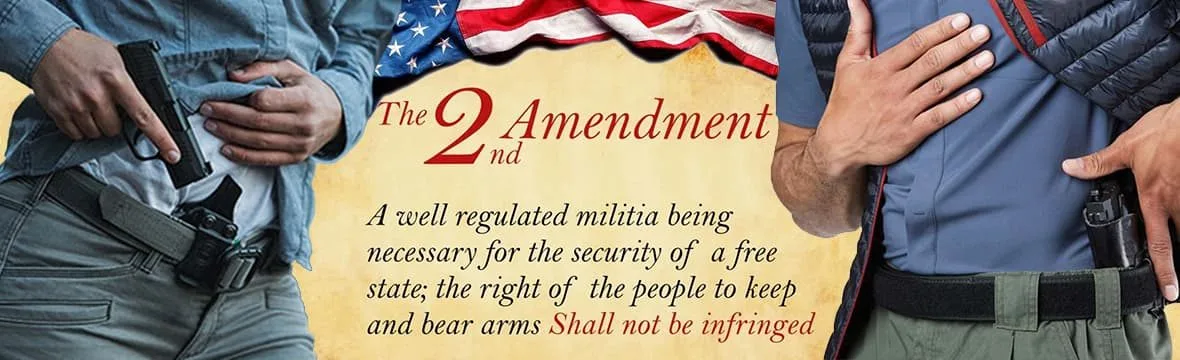
While tribal sovereignty is a cornerstone of legal regulation on reservations, federal laws, including the Second Amendment, also play a role. However, how these federal rights apply on tribal lands can be complex. In some instances, federal laws like the Violence Against Women Act (VAWA) and the Indian Civil Rights Act (ICRA) intersect with tribal laws to regulate firearm possession and use. State laws generally have no jurisdiction on reservations unless explicitly stated through Public Law 280 or other specific legislation.
Permission and Reciprocity
Carrying a firearm on a reservation typically requires permission from the tribal government. This can mean that even if you have a state-issued concealed carry permit, it may not be recognized on tribal lands without explicit consent from the tribe. Some tribes may have reciprocity agreements with certain states or issue their own permits for carrying firearms.
Penalties for Non-Compliance
Violating tribal firearm laws can lead to severe penalties, including fines, confiscation of firearms, and even imprisonment. Enforcement is carried out by tribal police, who have the authority to enforce tribal, federal, and, in some cases, state laws.
Best Practices
For those wishing to carry firearms on Native American reservations, the best practice is to seek out specific information directly from the tribe or through official tribal resources. As regulations can vary widely between different tribal lands, understanding the specific laws of the reservation you plan to visit is crucial. Additionally, respecting tribal sovereignty and customs is paramount when visiting or passing through Native American lands.
Conclusion
Carrying firearms on Native American reservations involves a complex web of legal considerations. Respect for tribal sovereignty, along with a thorough understanding of the specific laws and regulations of each reservation, is essential for lawful and respectful conduct. For more detailed information on this topic, readers are encouraged to refer to the comprehensive PDF’s available below, which offers in-depth insights into navigating these legal landscapes.
Legal Disclaimer
The information provided in this article is for general informational purposes only and is not intended as legal advice. The laws and regulations concerning the carrying of firearms on Native American reservations are complex and subject to change. While we strive to provide accurate and up-to-date information, we cannot guarantee that all the information presented is current or applicable to your specific situation. It is the responsibility of the individual to verify the current laws and regulations with appropriate legal authorities or consult with a qualified attorney before taking any action based on the content of this article. We accept no liability for any errors or omissions, or for any actions taken based on the information provided herein.
The Following Information is credited to Handgunlaw.us
Native American Conceal Carry Tribal Laws Part 1
Native American Conceal Carry Tribal Laws Part 2
