
Introduction:
On July 1, 2013, Colorado enacted a magazine capacity law limiting the rounds a magazine can legally hold to 15. This law prohibits buying or transferring any magazines with a capacity over 15 rounds. Understanding this regulation is crucial for armed security guards, who must balance the need to be prepared for potentially high-risk situations with the necessity of adhering to state law.
1. What the Magazine Capacity Law Says
Under Colorado Revised Statute 18-12-302, large-capacity magazines are prohibited, with certain exemptions:
- CRS 18-12-302: “Except as otherwise provided in this section, on and after July 1, 2013, a person who sells, transfers, or possesses a large-capacity magazine commits a class 2 misdemeanor.”
The only exemptions under the law are for law enforcement, military personnel, or individuals who owned high-capacity magazines before July 1, 2013 (grandfathered magazines). Security guards, however, are not exempt from this regulation, which directly impacts the options available to them on the job.
2. How This Law Impacts Armed Security Guards
The magazine capacity law creates practical challenges for security guards who need to be equipped to handle various threats. Many standard firearms, especially 9mm handguns, typically have a magazine capacity above 15 rounds. This restriction forces security guards to make choices that could impact their effectiveness:
- Firearm Selection: Security guards may have to choose firearms that offer 15-round magazines or smaller, which could limit their choices and potentially place them at a disadvantage in a defensive scenario.
- Limitations Against Criminals: Criminals often disregard magazine capacity laws, and illegal magazines with capacities exceeding 20, 25, or even 30 rounds are common. In a gunfight, a guard limited to a 15-round magazine could be at a disadvantage if faced with an opponent carrying higher-capacity magazines.
- Reloading Requirements: Guards carrying 10 or 15-round magazines may need to reload more frequently during incidents. Carrying additional magazines is often necessary, which increases the load-out and complexity for security personnel.
3. Compliance Tips for Security Guards
Despite these limitations, there are ways security guards can maintain compliance with Colorado law while still preparing for duty effectively:
- Choose Compliant Magazines: Opt for 10 or 15-round magazines for popular models like the Glock 19 or 22, ensuring that they meet the legal requirements.
- Consider Magazine Blocks: Magazine blocks can convert higher-capacity magazines to comply with the law. However, it’s worth noting that the law doesn’t explicitly permit or prohibit this modification, though most law enforcement agencies accept it as compliant.
- Purchase Factory 10 or 15 Round Magazines: A possible option is when a manufacture offers Colorado state compliant magazines. As an example, Glock offers 15 round magazines that will fit the Glock 17 or 45. Those handguns typically come with 17 round standard magazines.
- Carry Extra Magazines: To offset the capacity limit, carry additional magazines. This could be an additional fourth or fifth(Standard load is three). Although reloading may be necessary, carrying extra magazines can improve preparedness and help mitigate some of the limitations imposed by the law.
4. Training to Overcome Capacity Limitations
With limited magazine capacity, training becomes even more crucial. Guards should practice tactical reloads and efficient magazine swaps to ensure readiness:
- Emergency Reloading: Practice reloading under stress through both dry practice and live fire on the range. Training for fast reloads with cover can be invaluable in real-life scenarios.
- Situational Awareness: Developing strong situational awareness can allow guards to assess threats and position themselves optimally, compensating for the reduced magazine capacity.
5. Legal and Civil Liability for Non-Compliance
For security guards, compliance with the magazine capacity law is critical not only for staying within the law but also for avoiding legal and civil liability. Violating the magazine capacity law could result in significant consequences:
- License Risks: In cities like Denver and Colorado Springs, security guards must be especially diligent. Denver, for instance, explicitly requires all guards to adhere to state and local laws, including the 15-round magazine limit. A guard found in violation risks losing their security guard license, affecting their livelihood and career.
- Civil and Criminal Liability: Carrying a non-compliant magazine could also expose a guard to civil or criminal penalties. If a security guard is involved in a defensive shooting while carrying a high-capacity magazine, they could face both civil lawsuits and criminal charges, which could impact both their freedom and financial stability.
Remaining compliant not only protects a guard’s career but also reduces the chance of severe legal repercussions in a defensive incident.
6. Perspectives on the Law’s Effectiveness and Limitations
Since its enactment, Colorado’s magazine capacity law has shown little evidence of reducing crime. In fact, crime rates have reportedly increased since 2013. According to Rally for Our Rights and data from the Colorado Division of Criminal Justice, crime rates have risen despite multiple gun control laws passed within the state. This raises questions about the effectiveness of such laws in improving public safety. Many armed citizens and security professionals argue that this law restricts their ability to defend themselves and others effectively.
7. Legal Considerations for Security Companies
For security companies, understanding and adhering to magazine capacity laws is crucial:
- Company Policies: Companies should establish policies that ensure compliance with state laws to avoid potential liability issues.
- Training on Compliance: Guards should receive training on magazine capacity restrictions and understand the importance of compliance for both legal and professional reasons.
Conclusion
Colorado’s magazine capacity law places unique challenges on security guards who must comply with the law while staying prepared for the realities of their profession. The law restricts guards to a 15-round magazine limit, which may disadvantage them against criminals who don’t follow these restrictions. However, with the right training, careful equipment choices, and compliance strategies, guards can still maintain effectiveness on the job.
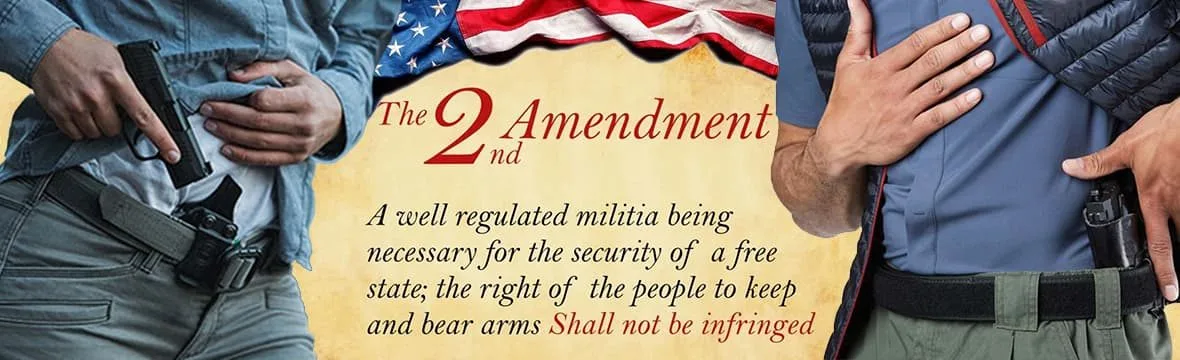
Security guards play a vital role in maintaining public safety, and it’s essential for them to balance legal adherence with tactical readiness. Staying proficient in reloading techniques, carrying additional magazines, and maintaining situational awareness are key steps in bridging the gap. Lastly, guards are encouraged to stay informed, actively protect their rights, and support efforts to uphold the Second Amendment, ensuring they have the tools necessary to protect themselves and others in any situation.
