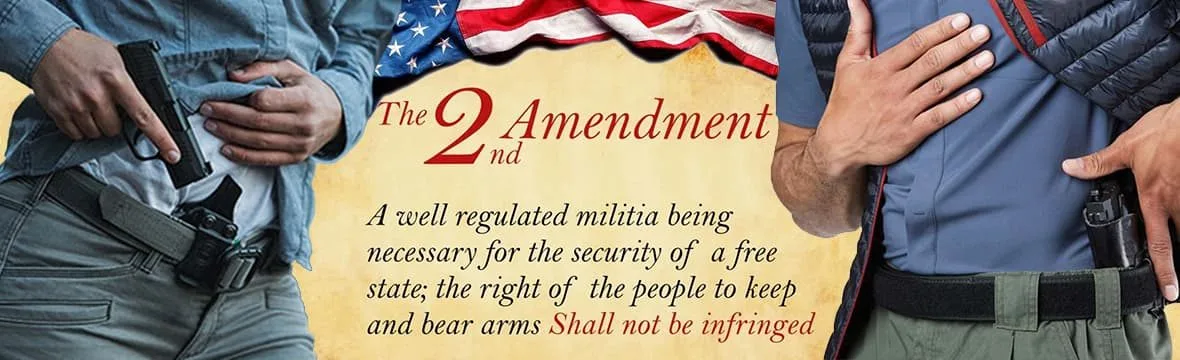


As a Concealed Carry Weapon (CCW) holder, understanding the difference between criminal liability and civil liability is critical. A single self-defense incident can lead to criminal charges, civil lawsuits, or both—each carrying serious consequences. Even if you win in criminal court, you can still be sued for damages in civil court, leading to financial ruin if you’re not prepared.
Criminal Liability
Criminal liability occurs when the government charges you with a crime, such as:
- Using a firearm when not legally justified.
- Discharging your weapon in a restricted area.
- Carrying a firearm in a prohibited location.
- Brandishing or threatening someone without legal cause.
If convicted, you could face fines, probation, or even jail time, depending on the severity of the charges. Even in a clear-cut self-defense situation, law enforcement and prosecutors will investigate your actions to determine if they were justified under the law.
How Prosecutors Approach Criminal Cases
Prosecutors analyze:
- Intent: Did you act recklessly, or was your use of force necessary?
- Reasonableness: Would a reasonable person in your position have used deadly force?
- Evidence: Witness statements, surveillance footage, and forensic evidence all play a role in determining if charges are filed.
- State Law: Stand-your-ground laws, duty-to-retreat, and castle doctrine vary by state and influence how cases are prosecuted.
Civil Liability
Even if you are found not guilty of a crime, you could still be sued in civil court. Civil liability involves lawsuits from individuals seeking financial compensation for injuries, emotional distress, or property damage.
You could be sued if:
- A bystander is injured during a self-defense situation.
- The person you shot (or their family) claims excessive force or wrongful death.
- Someone argues your firearm caused unnecessary harm or fear.
Unlike criminal cases, civil lawsuits don’t require proof beyond a reasonable doubt—just a “preponderance of evidence,” meaning a judge or jury only needs to believe there’s a 51% chance you caused harm.
How Civil Attorneys Approach Lawsuits
Civil attorneys focus on:
- Negligence: Was your use of force reckless or excessive?
- Injury & Damages: Even if your actions were justified, they may argue you’re responsible for medical bills, lost wages, and emotional distress.
- Deep Pockets: Civil lawsuits often target individuals with insurance, assets, or employers who might be held liable.
Case Study: The Kyle Rittenhouse Case
The Kyle Rittenhouse case is a well-known example of criminal and civil liability intersecting.
- In 2020, Rittenhouse shot three men, killing two, during riots in Kenosha, Wisconsin. He claimed self-defense, arguing that he was attacked and feared for his life.
- He was charged with multiple felonies, including first-degree intentional homicide.
- During trial, his attorneys successfully argued that video evidence and witness testimony supported his claim of self-defense.
- He was acquitted of all criminal charges in 2021.
What About Civil Liability?
Even after his acquittal, the families of the deceased filed lawsuits against him, claiming wrongful death. This highlights how winning in criminal court doesn’t prevent civil lawsuits—which can financially ruin someone even if their actions were legally justified.
The Estimated Cost of the Kyle Rittenhouse Case
The Rittenhouse case also demonstrates how expensive a self-defense incident can become.
Criminal Defense Costs
It’s estimated that Rittenhouse’s criminal defense costs exceeded $2 million. This includes:
- Attorney fees
- Expert witnesses
- Private investigators
- Court filing fees
- Trial preparation
Most people don’t have access to millions in legal funds—which is why self-defense insurance is crucial for CCW holders.
Potential Civil Liability Costs
Even after his acquittal, Rittenhouse still faces civil lawsuits from the families of those he shot. Civil cases often cost:
- $50,000 – $500,000 in legal fees just to defend yourself.
- Millions of dollars if you lose and are ordered to pay damages.
Because civil lawsuits have a lower burden of proof (preponderance of evidence, rather than beyond a reasonable doubt), many people find themselves in financial ruin—even if they were legally justified in using force.
How to Protect Yourself
- Self-Defense Insurance:
The best way to mitigate financial risk is by having self-defense insurance, which can cover legal defense costs, attorney fees, and damages in both criminal and civil cases. To compare the best self-defense insurance plans, check out our guide here:
👉 The Best Self-Defense Insurance Programs – Comparison - Know Your Local Laws:
- Some states have stand-your-ground laws, while others require a duty to retreat.
- Castle Doctrine applies in homes but not necessarily in public places.
- Responsible Firearm Training:
- The more skilled and knowledgeable you are, the less likely you’ll make a costly mistake in a high-stress situation.
- Legal Representation:
- Having an attorney on standby can be crucial. A good lawyer can advise you after a self-defense incident and help prevent statements that could be used against you in court.
What to Do After a Self-Defense Incident
✅ Call 911 immediately. Request police and medical assistance.
✅ Identify yourself as the victim. Say, “I was forced to defend myself.”
✅ DO NOT give a detailed statement. Only state that you were attacked and had to defend yourself.
✅ Call your attorney. If you have self-defense insurance, contact them immediately.
✅ Remain silent if arrested. Invoke your right to an attorney before answering any questions.
Final Thoughts
As a CCW holder, both criminal and civil liability can come into play if you ever use your firearm in self-defense. While criminal charges could take away your freedom, civil lawsuits could destroy you financially—even if you were legally justified in using force.
The best protection? Know the law, train often, and consider self-defense insurance. Learn more about the best insurance plans here:
👉 Self-Defense Insurance Comparison Guide
