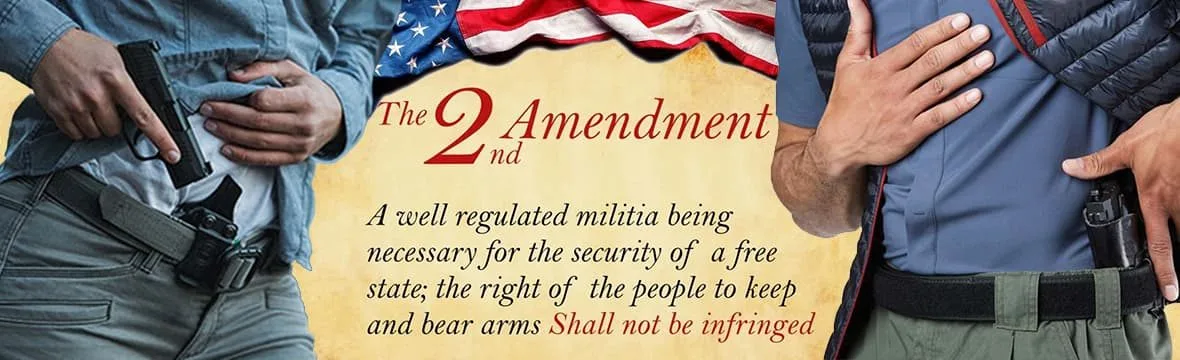


Self-defense law in Colorado continues to evolve through case law that helps clarify the boundaries of justified force. One such critical case is People v. Saavedra-Rodriguez, 2012 COA 79, which examines when the use of deadly force is legally defensible in a confrontation.
In this article, we break down the case, what it means for concealed carry permit holders, and how it ties into Colorado’s broader self-defense statutes under C.R.S. § 18-1-704 and § 18-1-705.
📜 Case Summary: People v. Saavedra-Rodriguez (2012)
Facts of the Case:
Luis Saavedra-Rodriguez shot and killed another man after a confrontation outside a bar in Pueblo, Colorado. The altercation began as a verbal dispute, escalated into a physical confrontation, and ended with Saavedra-Rodriguez firing his firearm.
He claimed self-defense, arguing the victim was the initial aggressor and that he reasonably feared for his life. The prosecution argued that Saavedra-Rodriguez escalated the situation and that the threat had passed by the time he used deadly force.
Legal Issue:
Was the use of deadly force justified under Colorado’s self-defense laws?
Ruling:
The Colorado Court of Appeals found that jury instructions on self-defense were improperly limited. Specifically, the trial court failed to fully instruct the jury on Saavedra-Rodriguez’s right to use deadly force if he reasonably believed he was in imminent danger—even if he may have provoked the confrontation.
The ruling emphasized that a person who provokes a confrontation may still act in self-defense if they withdraw in good faith and clearly communicate that intent, and the other person continues to use or threaten unlawful force.
⚖️ Legal Takeaways for Gun Owners and CCW Holders
1. Right to Self-Defense is Not Absolute:
Even when carrying legally, your right to use deadly force hinges on whether the threat is imminent and your actions are reasonable.
2. Provocation Limits Protection:
If you instigate a confrontation, your legal shield under self-defense law becomes murkier. You must clearly withdraw and attempt to de-escalate before using deadly force.
3. Clear Communication Matters:
Verbal or physical attempts to disengage may help restore your legal claim to self-defense—even if you were the initial aggressor.
4. Jury Instructions Can Make or Break a Defense:
This case shows how crucial proper jury instructions are. Misleading or incomplete directions on the law can lead to reversible error.
🔫 What This Means for Concealed Carry in Colorado
If you carry a concealed firearm in Colorado, understanding the People v. Saavedra-Rodriguez decision is critical. It reinforces that carrying comes with not just the right to defend yourself, but the responsibility to avoid escalating situations.
Avoid confrontation whenever possible. If you do end up in one, attempt to withdraw if the situation allows. This not only enhances your safety but strengthens your legal footing if force must be used.
✅ Learn the Law Before You’re Forced to Use It
Knowing how to shoot isn’t enough. You also need to understand when you’re legally allowed to use your firearm. Our Colorado concealed carry classes cover not only safe firearm handling but also real Colorado case law—like Saavedra-Rodriguez—to prepare you for the legal aftermath of a defensive shooting.
Don’t guess your way through a courtroom. Train with us and carry with confidence.
👉 Reserve your seat in our next CCW certification class today.
⚠️ Legal Disclaimer
This article is for informational purposes only and does not constitute legal advice. For legal guidance on self-defense or firearm use, consult a licensed Colorado attorney. Always verify laws with official sources or legal counsel before acting.
