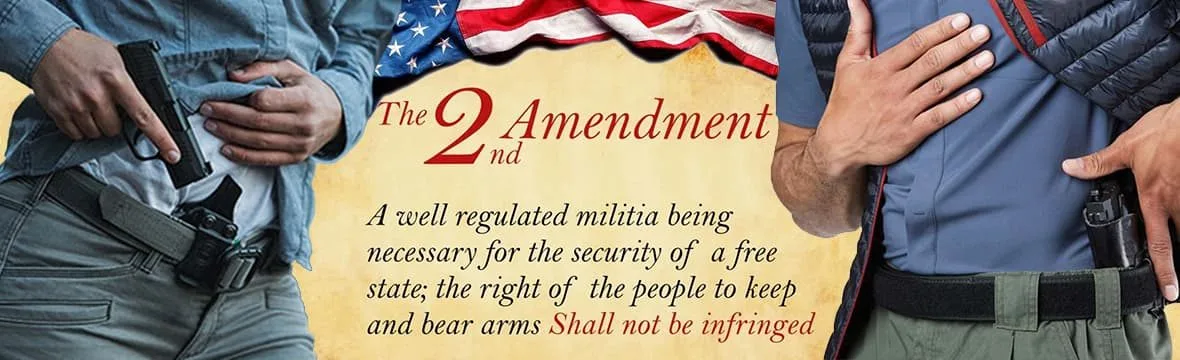


In some states, law-abiding gun owners have legal protection when they draw or show a firearm to deter a threat without firing it. This is commonly referred to as a “defensive display” of a firearm. States like Arizona have specific statutes that acknowledge this as a lawful act—Colorado does not.
If you’re a concealed carry permit holder or armed professional in Colorado, it’s crucial to understand what this means for you.
No Specific Statute for Defensive Display
Colorado law does not have a statute that protects defensive display of a firearm. If you draw, brandish, or even place your hand on your firearm in an attempt to deter someone, you may find yourself under criminal investigation—even if you never pointed the firearm or pulled the trigger.
The most common charge is menacing, which becomes a class 5 felony if a firearm is involved.
You Could Be Charged with Menacing
Under CRS § 18-3-206, menacing is defined as:
Knowingly placing or attempting to place another person in fear of imminent serious bodily injury through threat or physical action.
Once a firearm is involved, it doesn’t matter whether you intended to fire—it can still be considered a threat of deadly force. This could result in felony charges and life-changing consequences.
The “Reasonable Person” Standard
Whether you’re charged or convicted depends on whether your actions meet Colorado’s self-defense standard, which includes:
- Was the threat of serious bodily injury or death imminent and unavoidable?
- Did you draw your firearm to deter a danger of serious bodily injury or death?
- Would a reasonable person in your situation have acted the same way?
If the threat wasn’t immediate, unavoidable, and didn’t involve a high risk of serious bodily injury or death, then your display of a firearm could be seen as unlawful intimidation, not self-defense.
Affirmative Defense and the “Lesser of Two Evils”
If you’re charged with menacing or unlawful use of force, Colorado law may still allow you to assert an affirmative defense in court. An affirmative defense means you don’t deny the act (e.g., drawing your firearm), but argue that it was legally justified.
One powerful legal argument in these cases is the necessity defense, sometimes called the “lesser of two evils.” This means you knowingly violated a law—but only to prevent a greater and imminent harm.
In a defensive display situation, your attorney might argue:
“Yes, my client displayed a firearm, but only to prevent a greater, imminent threat of death or serious bodily injury. It was the lesser of two evils.”
If a judge allows the affirmative defense to go to trial, the burden shifts to the prosecution to disprove your justification beyond a reasonable doubt.
This defense can be powerful—but it’s risky, fact-specific, and hinges on solid legal strategy.
Realistic Examples That Could Lead to Charges
These are the types of actions that seem defensive to some, but may land you in handcuffs:
- Lifting your shirt to reveal your concealed handgun during an argument
- Drawing your firearm when someone aggressively approaches but hasn’t yet touched you
- Resting your hand on your pistol when someone is yelling at you in a parking lot
Unless the situation involves a clear, imminent, and unavoidable threat of serious bodily injury or death, you risk being charged with felony menacing.
Why Self-Defense Insurance is a Must in Colorado
Because Colorado law doesn’t recognize defensive display as a protected action, even a justified display of your firearm can lead to arrest, prosecution, and thousands of dollars in legal fees.
That’s why self-defense insurance is one of the smartest investments you can make as a concealed carrier or armed security professional.
✔️ It pays for your criminal defense attorney
✔️ It covers civil lawsuits that may follow
✔️ It provides expert legal help from day one
If you ever find yourself being questioned, arrested, or sued for trying to stop a threat, self-defense insurance can save your freedom, finances, and future.
🔗 Compare the top self-defense insurance plans here — We break down the options side-by-side to help you choose the right coverage.
What You Can Do Instead
If you feel uncomfortable or unsafe—but don’t face an imminent threat—you’re better off:
- Creating distance and leaving the situation if possible
- Using verbal commands and maintaining situational awareness
- Calling law enforcement early
- Documenting the encounter if safe to do so
Pulling or displaying your firearm should be a last resort, not a warning tactic.
Final Thoughts: Be Trained, Be Covered, Be Smart
Colorado does not protect you for warning shots or defensive display. Even with good intentions, you could be charged with a felony and forced to defend yourself in court.
However, if your actions were truly necessary to avoid a greater harm, you may still have a valid legal defense—but you’ll need proper legal representation and expert support.
🛡️ Don’t Risk Your Future
If you carry a firearm for self-defense, protect yourself legally and practically:
- ✅ Book a Concealed Carry Class — Train legally and confidently with professionals
- ✅ Compare Self-Defense Insurance Plans — Legal protection when you need it most
- ✅ Browse Our Shooting Drills — Hone your skills beyond the basics
- ✅ Learn the Law — Our Colorado CHP guide breaks down the laws in plain English
- ✅ Need an Expert Witness? Mark Schneider is available to assist attorneys and courts with real-world insights in self-defense, concealed carry, and armed security. Contact Us to Book Mark
⚖️ Legal Disclaimer
This article is for general informational purposes only and is not legal advice. Always consult a licensed attorney for legal counsel related to self-defense incidents in Colorado.
