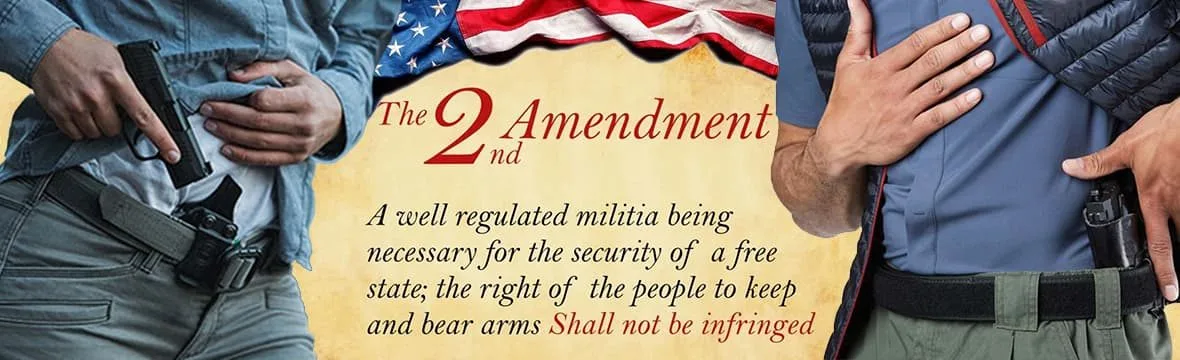


When you carry a firearm—whether as a CCW holder or as an armed security guard—you’re not just carrying a tool of defense. You’re also carrying a heavy responsibility. The first thing any District Attorney or investigator will ask after a use-of-force incident is simple:
- Who was the innocent party?
- Who was the aggressor?
- Who provoked the situation?
That word provocation is critical. Under the law, if you are seen as the one who “got the ball rolling” in a confrontation, your claim of self-defense can collapse. That’s why your mindset must always be one of de-escalation.
This doesn’t mean you back down from danger or fail to defend yourself if truly necessary. It means you discipline yourself so that anyone reviewing your actions—witnesses, supervisors, investigators, or a jury—sees clearly that you did everything possible to avoid violence.
What Does “Provocation” Mean in Self-Defense Law?
In plain terms, provocation means doing something that causes or escalates a conflict. If you provoke a fight, you lose your legal standing to later claim self-defense unless you clearly attempt to withdraw.
Provocation can include:
- Words: Insults, taunts, or verbal threats.
- Actions: Aggressive movements, brandishing a firearm, or invading personal space.
- Behavior: Following someone, blocking their path, or refusing to disengage.
If the DA sees evidence that you pushed the confrontation forward, even a justified defensive act can look like assault or manslaughter.
Connecting to the Rules Every CCW Holder Must Follow
I’ve written before about the three things you are never allowed to do when carrying a firearm (you can read that article here). Those rules tie directly into this concept of provocation. If you break those rules, you’re already stepping into the role of aggressor.
Real-World Examples of Provocation vs. De-Escalation
- Road Rage (CCW Holder):
- Provocation: A driver cuts you off. You pull up beside them, shouting threats. They get out, and you draw your firearm. On review, you provoked the encounter.
- De-Escalation: You slow down, change lanes, and exit. No fight, no police report.
- Bar Argument (CCW Holder):
- Provocation: Someone spills your drink. You shove them back and say, “Do that again and you’ll regret it.” They swing, you fire. The DA sees you as the aggressor.
- De-Escalation: You step back, say, “No problem,” and leave. End of story.
- Shoplifter (Security Guard):
- Provocation: The suspect mouths off. The guard steps chest-to-chest, saying, “You’re not going anywhere.” A fight breaks out. On video, it looks like the guard escalated.
- De-Escalation: The guard maintains distance, uses Verbal Judo: “Sir, please wait while we get the manager. You have options here.” Now compliance is easier.
- Trespassing Loiterer (Security Guard):
- Provocation: The guard says, “Leave now or I’ll drag you out.” The loiterer resists, and things go hands-on.
- De-Escalation: The guard says, “You can leave on your own, or store management will trespass you and police will be called. Your choice.” Now the loiterer has an exit.
The Two Systems of De-Escalation
I teach two different frameworks that fit these roles perfectly:
- The 6 D’s for CCW holders
- The Five Truths of Verbal Judo for security guards
The 6 D’s for CCW Holders
As an armed citizen, your priorities are awareness, avoidance, and last-resort defense. The 6 D’s keep you legally and tactically squared away:
- Detect — Spot trouble before it starts. Keep your head up, read body language, and know your exits.
- Disengage — Remove yourself. Step back, create space, and leave if possible.
- Deter — Use strong verbal commands, presence, and positioning to discourage escalation. Phrases like “Stay back” or “I don’t want any trouble” communicate your intent to avoid conflict. Move toward witnesses or cameras if possible.
- Demonstrate (Defensive Display) — If deterrence fails and the threat continues, you may lawfully display your firearm (where legally permitted) as a last warning. This is not brandishing or intimidation — it is a controlled defensive display in response to a real, immediate threat.
- Defend — Only if there is no other option and you face imminent deadly force or serious injury. If you must fire, stop when the threat stops.
- Dial 911 — Call as soon as you’re safe. Clearly identify yourself as the victim, request police/EMS, and preserve evidence.
Example: You’re walking to your car at night when someone aggressively closes distance with a knife.
- First, you deter by backing away and yelling, “Stop! Stay back!”
- If they continue, you demonstrate by drawing to low ready: “Don’t come any closer!”
- If the threat still advances, you may be forced to defend.
- As soon as safe, you dial 911 and report the incident.
The Five Truths of Verbal Judo for Security Guards
Security professionals are held to a higher standard. You’re in uniform, representing your company or client. That means you must be the calmest person on scene—even when others aren’t.
The Five Truths of Verbal Judo keep your communication professional and tactical:
- Respect and Show Dignity — Even difficult people want basic respect. Give it, and you lower tension.
- Ask vs. Tell — Lead with polite requests, then move to commands if necessary.
- Give Options — Show the person their choices and consequences: “Leave now, or the police will be called.”
- Give Second Chances — Let emotions reset. A second chance can stop a fight before it starts.
- Explain the Why — Compliance goes up when people understand the reason for your request.
Why This Matters
For CCW holders, de-escalation means staying out of court. For security guards, it’s about professionalism, liability, and client trust. For both, it’s about survival—both physical and legal.
The reality is simple:
- If you look like the aggressor, you’ll be treated like the aggressor.
- If you look like the calm, reasonable professional who tried to disengage, you’ll be seen as the innocent party.
Your firearm is your last resort—not your first tool. De-escalation must always be your first move.
Final Thoughts
Carrying a firearm is about more than accuracy or tactics—it’s about judgment. When you practice the 6 D’s as a CCW holder and the Five Truths of Verbal Judo as a guard, you’re not just protecting yourself from physical harm. You’re also protecting your legal standing, your reputation, and your livelihood.
Always remember: “the best way to win a gunfight is not to get into one”
