Legal & Law, News

Ghost Guns and the Constitution: Why the Supreme Court Got It Wrong

A Picture of an AR-15 “Ghost Gun” lower. Photo Credit to Mitch Barrie.

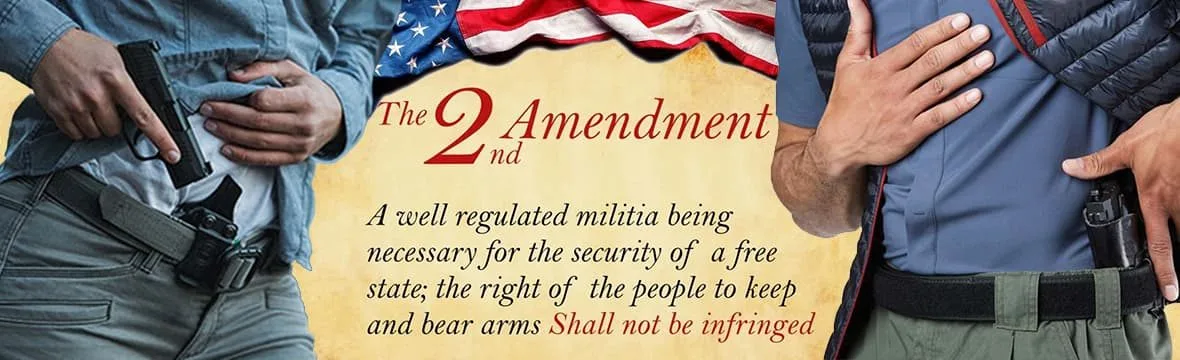
The recent Supreme Court ruling upholding the Biden administration’s regulations on so-called “ghost guns” is a dangerous step toward eroding the Second Amendment. These homemade firearms, which have been legally manufactured by individuals for centuries, are now being subjected to burdensome regulations that redefine what constitutes a firearm. The ruling in Garland v. VanDerStok represents a fundamental misunderstanding of the Constitution and the historical rights of Americans to build their own weapons.

Manufacturing Firearms: A Right, Not Just a Commercial Practice

The ability to manufacture firearms has never been limited solely to commercial entities. Throughout American history, citizens have had the right to craft their own firearms without government interference. The Supreme Court’s decision now treats this as a regulated commercial practice rather than an individual liberty. This ruling does not align with the original intent of the Second Amendment, which guarantees the right to “keep and bear arms”—a right that extends to making those arms.

How the Supreme Court Got It Wrong

The Court’s majority opinion claims that kits allowing individuals to assemble firearms quickly fall within the regulatory scope of the ATF. However, this interpretation oversteps congressional authority and contradicts previous rulings that emphasize a historical approach to gun regulation. The Firearm Owners’ Protection Act of 1986 and the Gun Control Act of 1968 did not intend for the federal government to regulate individual gun-making activities in this way. Justice Clarence Thomas, in his dissent, correctly pointed out that the ATF was never given the power to regulate firearm parts or objects that could be “readily converted” into firearms. By allowing this new definition, the Supreme Court has set a precedent that could allow further encroachments on gun rights.

The Slippery Slope of Gun Control

The decision to classify gun kits as firearms is an arbitrary expansion of government power. If an unassembled kit is a firearm, what stops regulators from going after individual parts or even raw materials that could be used to make a gun? This ruling opens the door for more intrusive policies that undermine the Second Amendment under the guise of public safety. The reality is that most gun crimes are committed with traditionally manufactured firearms, not homemade ones, making this ruling more about restricting lawful gun owners than stopping criminals.

A Call to Action

Americans must push back against judicial overreach and demand that Congress and state legislatures reaffirm the rights of individuals to make their own firearms. The right to bear arms is meaningless if citizens cannot legally obtain or manufacture them. As we have seen throughout history, government overreach in gun regulation is rarely reversed without active opposition.

The Supreme Court had an opportunity to uphold constitutional principles, but instead, it chose to allow bureaucratic overreach to dictate new firearm restrictions. This fight is far from over, and gun owners must stay vigilant to protect their rights.

Legal & Law, News

Ghost Guns Now Illegal in Colorado: What Gun Owners Need to Know

As of June 2, 2023, Colorado has enacted stringent laws making it illegal to possess, transport, or manufacture “ghost guns”—firearms that lack a serial number and are thus untraceable. The implications for gun owners who currently possess these firearms are significant, and understanding the legal requirements is crucial to avoid severe penalties.

Understanding the Law: CRS 18-12-111.5

Colorado Revised Statute 18-12-111.5 lays out the framework for what constitutes unlawful conduct involving unserialized firearms, frames, or receivers. The law specifically prohibits the following actions unless certain exceptions apply:

  1. Possession or Transport: It is illegal to knowingly possess or transport an unfinished frame or receiver unless it has been serialized by a federal firearms licensee (FFL).
  2. Sale and Transfer: The sale, offer to sell, or transfer of an unserialized frame, receiver, or firearm is prohibited unless it has been serialized by an FFL.
  3. Manufacture: Manufacturing a firearm, frame, or receiver without a serial number is illegal, including using a 3D printer to produce these items.

Violating any of these provisions constitutes a class 1 misdemeanor, with subsequent offenses elevating the charge to a class 5 felony.

Implications for Gun Owners

For those who currently own a ghost gun, the law offers a narrow window of compliance. If you possessed such a firearm, frame, or receiver before June 2, 2023, you have until January 1, 2024, to bring it into compliance by having it serialized by an FFL. Failure to do so could result in criminal charges, and the penalties can be severe.

Best Actions for Current Owners

If you currently own a ghost gun in Colorado, the best course of action is to have the firearm serialized as soon as possible. Here’s what you should do:

  1. Contact a Federal Firearms Licensee: Find an FFL who is authorized to imprint a serial number on your firearm. They will ensure that the serial number meets federal requirements and record the transaction as mandated by law.
  2. Complete a Background Check: When you have your ghost gun serialized, the FFL will conduct a background check before returning the firearm to you. Ensure you are eligible to pass this check to avoid complications.
  3. Stay Informed: Keep abreast of any further legislative changes that may impact your ownership of serialized firearms. Colorado’s gun laws are evolving, and staying informed is crucial for responsible gun ownership.

A Pro-Gun Perspective: Unconstitutional Overreach?

From a pro-gun perspective, Colorado’s ban on ghost guns raises significant constitutional concerns. The Second Amendment guarantees the right to bear arms, and for many, the ability to build and customize firearms is a fundamental part of that right. By imposing a mandatory serialization process, the state is not just regulating firearms; it’s also infringing on the privacy and freedom of law-abiding citizens.

Moreover, the requirement to serialize existing ghost guns retroactively could be seen as a form of criminalization after the fact. Gun owners who legally constructed these firearms before the law was passed now face the burden of compliance or the risk of becoming criminals overnight.

While public safety is a critical concern, the approach taken by Colorado might be seen as overly broad and punitive, targeting individuals who have no intention of using their firearms for illegal purposes. As such, this law could face legal challenges on the grounds of violating the Second Amendment and due process rights.

Conclusion

For gun owners in Colorado, the new restrictions on ghost guns present a serious legal challenge. Immediate action is necessary to comply with the law and avoid severe penalties. However, the broader implications for gun rights cannot be ignored, and this law is just be the beginning of a larger battle over the right to bear arms in America.

In the meantime, ensuring compliance while advocating for the protection of constitutional rights will be key for responsible gun owners navigating these new regulations.